
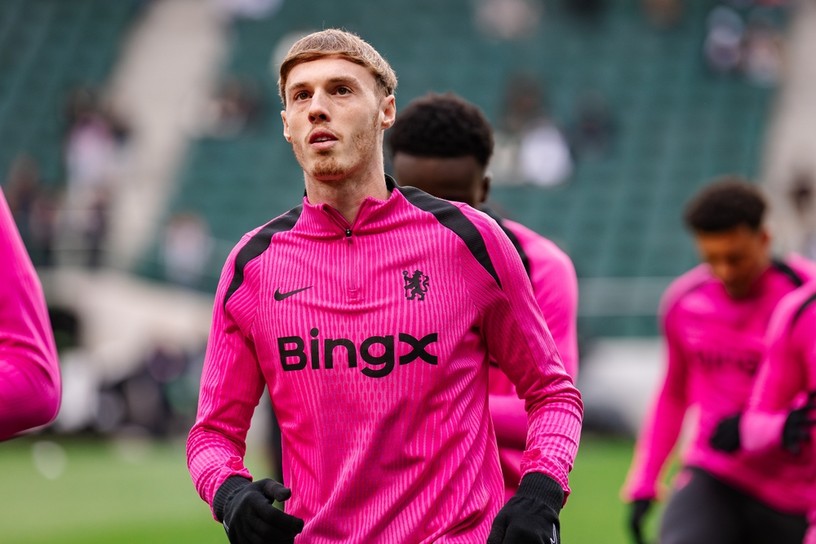
Some transfer rumors disappear after a day. Others linger just enough to make you wonder if there’s something real underneath. The recent links between Cole Palmer and Manchester United F.C. fall into that second category.
Fans debate it, pundits dissect it, and anyone glancing at football betting odds has seen his name hovering in the background. But beyond the noise, does this move genuinely add up?
Where Palmer Stands Right Now
Palmer isn’t a squad player looking for minutes. He’s become one of the Premier League’s most productive attacking figures. Goals, assists, big moments. He’s taken responsibility and looked comfortable doing it.
Players in that position don’t usually push for exits unless something shifts significantly. He’s central to his current club’s plans, he’s trusted in big games, and attacks often run through him. Walking away from that wouldn’t be a small decision.
Why United Would Be Interested

From United’s perspective, the appeal is obvious. Palmer is English, technically sharp, and capable of operating across multiple attacking roles. He can drift inside, find pockets between defenders, or start wide and cut into dangerous areas. He doesn’t rely solely on speed. He reads space well and finishes with composure.
United have been trying to build around younger, adaptable talent. He fits that description perfectly.
There’s also the statement factor. Signing one of the league’s standout attackers would send a message about ambition. It would suggest forward planning rather than short term patchwork.
The Rivalry Complication
Even though Palmer previously left Manchester City F.C., any serious link to United would revive the Manchester rivalry angle.
Moves connected to both sides of the city rarely feel neutral. They carry emotional weight. Supporters remember and media narratives intensify.
That doesn’t make it impossible. But it adds pressure to an already high profile decision.
The Stability Question

Here’s where things get more complex. For a player performing at Palmer’s level, sporting clarity is important. What system is he stepping into? Who is building around him? How stable is the managerial situation?
United have undergone structural changes in recent seasons. Tactical adjustments and squad reshaping. That environment can be exciting, but it can also feel uncertain.
Elite players usually want a defined project. Not just a famous badge.
Financial Reality
Then there’s the practical side. A player of Palmer’s influence would command a substantial fee. Selling clubs rarely discount cornerstone talent, especially to direct rivals. Wages would reflect his status as well.
United would need to weigh whether investing heavily in one attacking profile aligns with broader squad needs. Depth in other areas might compete for resources.
Transfers of this scale require alignment across footballing and financial strategy. Without that alignment, admiration remains theoretical.
So Is It Realistic?

At the moment, it feels more speculative than concrete. There’s no strong indication of advanced negotiations or formal bids. It’s a link that sparks debate, but not one backed by visible momentum.
That could change. Football evolves quickly. A managerial decision, a contract update, or a strategic pivot can alter everything in weeks.
Right now, though, the obstacles appear heavier than the push behind the rumour.
Final Thoughts
Palmer has the quality to improve almost any team in the league. United would benefit from his creativity and composure in the final third.
But major transfers depend on timing as much as talent. As things stand, he has influence, trust, and momentum where he is. That’s difficult to walk away from without a clear and compelling reason.
For now, this feels like an intriguing possibility rather than an approaching reality. In football, that line can blur quickly. But it hasn’t blurred just yet.